

The fastest way to fix a broker shop drowning in disconnected tools is to consolidate mortgage software into a single integrated platform, one built around loan officers and processors rather than bank branches. A broker-centric system like 1 Solution replaces the separate LOS, CRM, point-of-sale portal, pricing engine, and communication tools most shops juggle today. The payoff shows up fast: fewer logins, less manual rekeying, and one clear view of every case in the pipeline.
TL;DR:
- Consolidating systems should prioritize syncing contact and loan status between CRM and LOS to ensure accurate data flow across all active files.
- A phased migration over 90 days reduces risks by validating each step, avoiding the chaos of a big-bang switch with no fallback plan.
- The platform should offer real bidirectional APIs and clear data exit strategies to prevent vendor lock-in and ensure operational flexibility.
- Critical systems to unify include POS portals, LOS, CRM, pricing engines, compliance tools, and communication logs, focusing first on data flows causing most manual work.
- Expect an initial slowdown of about 30 days as your team adapts and relearns workflows, making early validation and dedicated champions essential.
Table of Contents
- Why Consolidate Mortgage Software Now?
- What Core Systems Should You Consolidate First?
- How Do You Migrate Without Disrupting Active Pipelines?
- What Should Be on Your Platform Evaluation Checklist?
- What Are the Biggest Migration Mistakes Brokers Make?
- Practitioner View: What Consolidating Mortgage Tech Actually Teaches You
- How 1 Solution Mortgage Software Completes Your Consolidation
- Sources
- FAQ
Why Consolidate Mortgage Software Now?
Most brokerages don't have a tools problem. They have a connection problem. Your CRM might be excellent, your pricing engine might be accurate, and your LOS might be reliable, but if none of them talk to each other, someone on your team is retyping the same borrower data three or four times a day. Industry reporting has started calling this the interoperability tax in mortgage workflows, and it's a real cost, not a metaphor. Every manual re-entry is a chance for a typo, a missed status update, or a borrower call that starts with "let me check on that."
Brokers themselves back this up. Surveyed originators regularly cite archaic lender systems and scattered portals as a top frustration, and it sometimes shapes which lenders they choose to work with at all. A 2026 broker survey put a number on the sentiment: brokers rated integration importance as very high, right alongside adoption of e-signature and LOS/CRM tools is widespread.
What does fixing this actually buy you? A few concrete things:
- Faster case turnaround because status updates flow automatically instead of waiting on someone to check a portal
- Fewer compliance gaps, since one system holds the audit trail instead of three
- More capacity per loan officer, because well-connected mortgage tech integrations let brokers scale operations without adding headcount
What Core Systems Should You Consolidate First?
Not every tool in your stack needs replacing on day one. Start by mapping which systems actually generate rekeying work and which ones just need a better connection.
- Point-of-sale (POS) portal. This is where the borrower experience lives, so it needs a clean handoff into your LOS the moment an application is submitted.
- Loan origination system (LOS). The system of record for status, conditions, and documents. Everything else should sync to it, not compete with it.
- CRM. Oddly, this is where brokers report the most dissatisfaction. One survey found CRM usage is split almost evenly between external platforms and in-house builds (41.8% versus 47.7%), a sign that plenty of shops are still cobbling something together rather than trusting a vendor.
- Pricing engine. Rate and product accuracy needs to update in real time and flow straight into borrower-facing proposals.
- Compliance and audit tools. Retention, disclosures, and e-signature records need one home, not three.
- Communications. Email, SMS, and voice logs tied to the loan file, not buried in someone's personal inbox.
Prioritize the data flows that cause the most pain today. Usually that's contact sync between CRM and LOS, and status write-back so processors stop manually updating spreadsheets. Our guide on status write-back between CRM and LOS walks through why that single connection often delivers the fastest visible ROI.
How Do You Migrate Without Disrupting Active Pipelines?
A single cutover weekend sounds efficient. It almost never is. Practitioner experience across brokerage tech rollouts favors a phased approach that lets you validate data at each stage instead of gambling your entire pipeline on one migration event. Here's a realistic 90-day structure.
- Weeks 1 through 4: foundation and sync. Connect contact records and loan status between your current CRM and LOS. Run full backups before touching anything live, and validate that borrower names, loan numbers, and milestone dates match exactly between systems.
- Days 31 through 60: POS and pricing integration. Bring your borrower-facing application portal and pricing engine into the platform. Run sample cases side by side with your old workflow before retiring anything.
- Days 61 through 90: CRM, reporting, and cutover. Migrate CRM data, train your team on the unified dashboard, and run a full compliance audit before flipping the switch on old tools.
At each phase, run the new and old systems in parallel for at least a week and require sign-off from a designated owner before moving forward. Build a rollback plan into every phase, not just the final one.
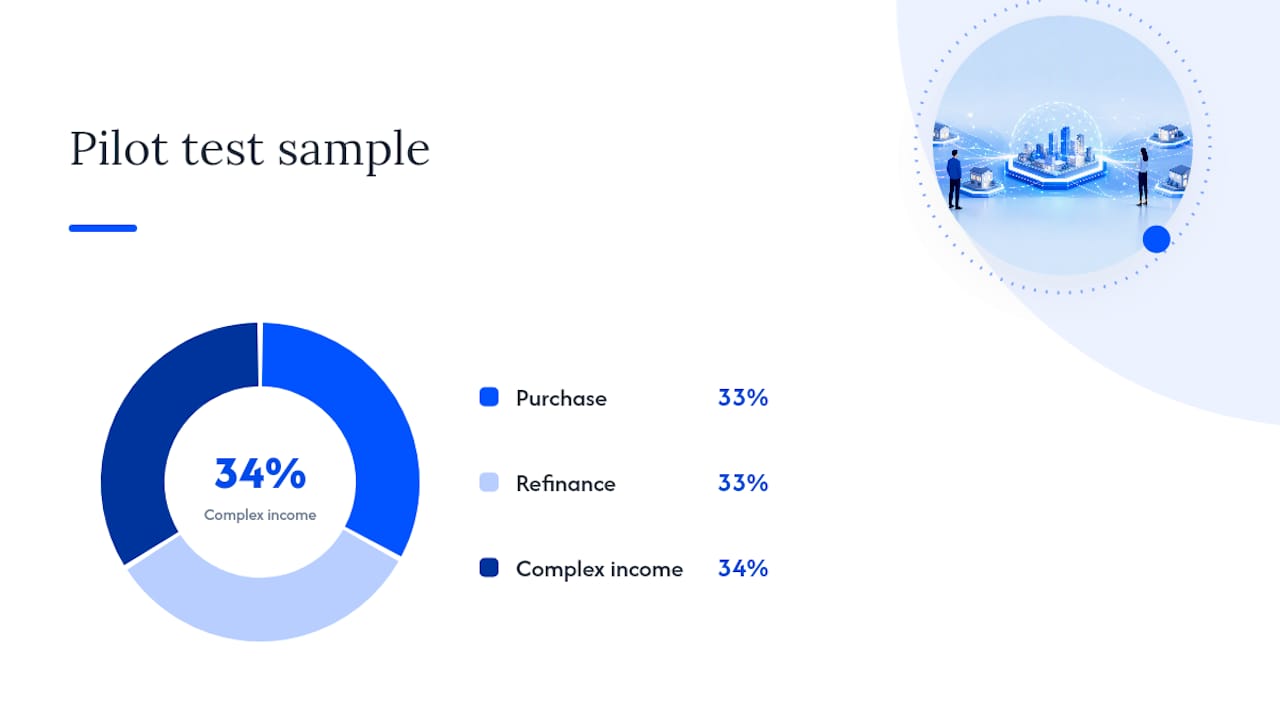
Pro Tip: Pick three or four representative loan files, one purchase, one refinance, one with a complex income scenario, and run them through the new platform start to finish before migrating a single real case. If those three break, your whole team will thank you for finding out early.
What Should Be on Your Platform Evaluation Checklist?
Before you sign anything, run every candidate platform through four categories of scrutiny.
- Technical: Does it offer real APIs and bidirectional sync, not just a one-way data export? Can you get your data back out if you ever leave?
- Operational: What does onboarding actually look like? Is there a real human on support, or a ticket queue? Does the vendor understand broker workflows specifically, not just direct-lender operations?
- Commercial: Is pricing transparent, with modular add-ons instead of forced bundles? Are per-message or per-minute fees for SMS and phone clearly disclosed upfront?
- Compliance: Does the platform maintain a defensible audit trail, support e-signature natively, and give you clear document retention and export policies?
Sourcing and pricing tools deserve extra scrutiny here. One recent poll found a significant share of brokers planning a technology change in the next year were specifically looking at mortgage or criteria sourcing systems (https://onemortgage.co.uk/2026/06/05/brokers-reassess-sourcing-technology-as-demand-for-better-connected-systems-grows/), which tells you where the real dissatisfaction sits in most stacks. A platform that nails pricing accuracy but ignores CRM usability is only solving half your problem. For more on how these categories fit together, see our breakdown of what a mortgage broker platform actually is.
What Are the Biggest Migration Mistakes Brokers Make?
The single most common failure is attempting a big-bang migration, shutting down every old system on one date and hoping the new platform catches everything. It rarely does, and the fallout lands on your busiest loan officers during their busiest month.
A few mitigations worth building into your plan from day one:
- Run old and new systems in parallel for at least two full weeks per phase before retiring anything
- Insist on status write-back between systems instead of accepting manual rekeying as a "temporary" workaround, since temporary rekeying has a habit of becoming permanent
- Budget real time for training, not just a one-hour kickoff call, and name a platform champion on each team who fields questions before they become support tickets
- Keep a short remediation checklist ready for week one: missing document types, mismatched loan statuses, and duplicate contact records are the three issues that show up almost every time
Pro Tip: Assign your platform champion before migration starts, not after. The person who already knows the new system when problems hit is worth more than any vendor's support line.
Practitioner View: What Consolidating Mortgage Tech Actually Teaches You
Every brokerage that consolidates its stack expects the software to fix problems that are actually process problems. It won't. A platform can eliminate rekeying and give you one login, but if your team doesn't have a habit of updating loan status consistently, no amount of integration will fix that discipline gap.
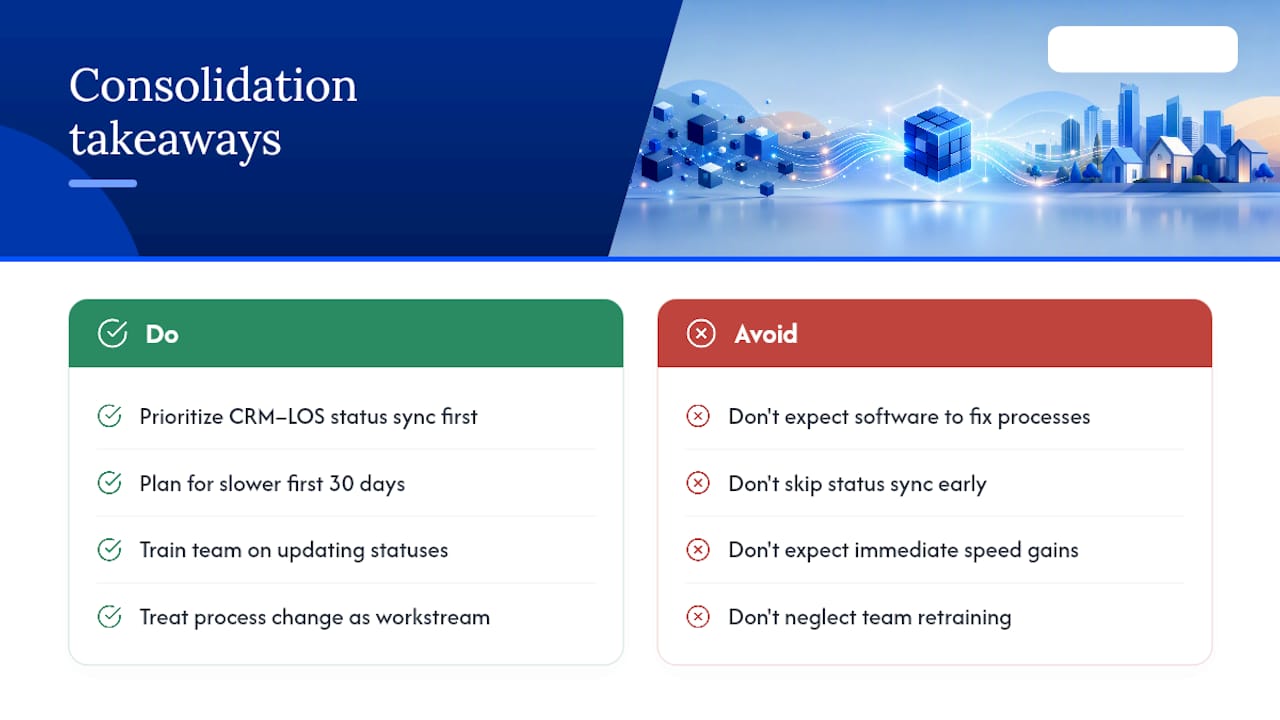
The trade-off nobody wants to hear: the first 30 days are genuinely slower, not faster, while your team relearns muscle memory built over years on old tools. That's not a flaw in the platform. It's the cost of fixing years of fragmented systems in one project instead of never fixing it at all.
If you take one thing from this, prioritize the CRM and LOS status sync first, before anything else. It's the connection that touches every single file in your pipeline, and getting it right early makes every later phase easier.
— Omar Khamisa
How 1 Solution Mortgage Software Completes Your Consolidation
1 Solution Mortgage Software was built by brokers who got tired of stitching together five vendors and hoping the data lined up. It's designed specifically around broker workflows rather than retrofitted from a bank platform. That means pricing, CRM, POS, LOS, compliance tracking, and communications live in one connected system instead of five logins fighting each other.
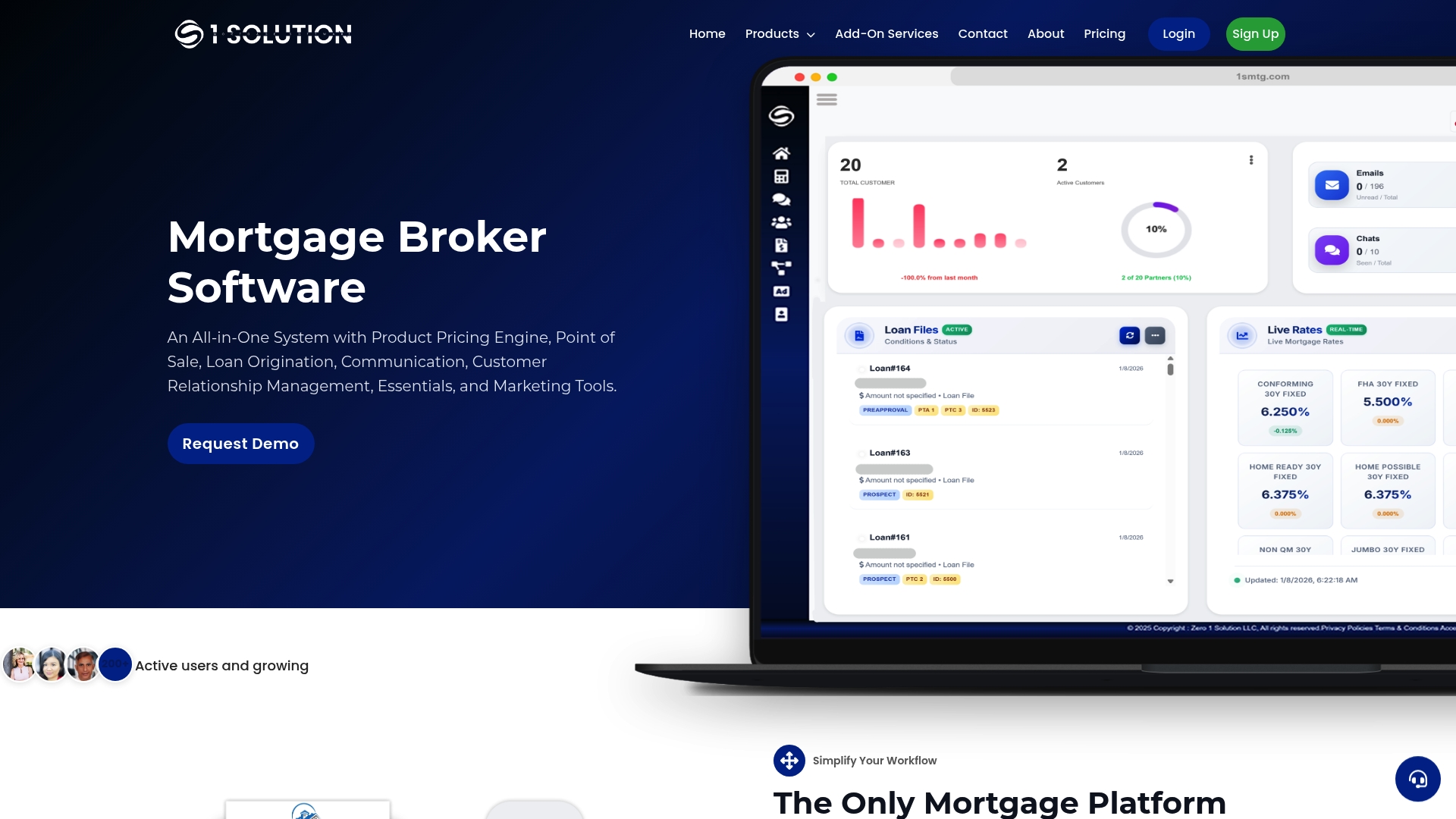
Beyond the core platform, 1 Solution offers add-on services for brokerages ready to go further: a branded mortgage website, a dedicated SMTP domain setup, and PBX phone solutions, each available for an additional fee alongside your subscription. If you're evaluating platforms using the checklist above, put 1 Solution on that list and request a demo to see how the phased migration approach applies to your specific stack.
Sources
- Interoperability tax in mortgage workflows
- Broker perspective: Archaic systems and poor communication are broker bugbears
- Technology in the Mortgage Industry: 2026 Broker Survey
- Mortgage tech integrations reshape broker operations, driving efficiency and scale
FAQ
What Does It Mean to Consolidate Mortgage Software?
It means replacing separate point tools, your LOS, CRM, pricing engine, and POS portal, with one integrated platform that shares data automatically. Instead of rekeying borrower information across four systems, your team enters it once and every module updates from that single source.
How Long Does a Full Platform Migration Take?
A realistic phased migration runs about 90 days: contact and status sync in the first four weeks, POS and pricing integration by day 60, and CRM plus full cutover by day 90. Rushing this into a single weekend event is the most common cause of post-launch chaos.
Does 1 Solution Mortgage Software Replace My Entire Tech Stack?
1 Solution combines pricing, CRM, POS, LOS, compliance tools, and communications into one connected platform built specifically for independent brokers. Pricing details for the Subscription Account, along with add-on services like website builds, SMTP domains, and PBX solutions, are available directly on 1smtg.
What's the Biggest Risk in a Mortgage Tech Consolidation Project?
The biggest risk is attempting a big-bang cutover instead of a phased rollout with parallel running. Without sample-case validation and a rollback plan at each stage, errors in status sync or pricing data can hit live borrower files before anyone catches them.
Which System Should Brokers Consolidate First?
Start with contact and loan status sync between your CRM and LOS, since that connection touches every active file in your pipeline. It also tends to deliver the fastest visible reduction in rekeying and manual status updates.